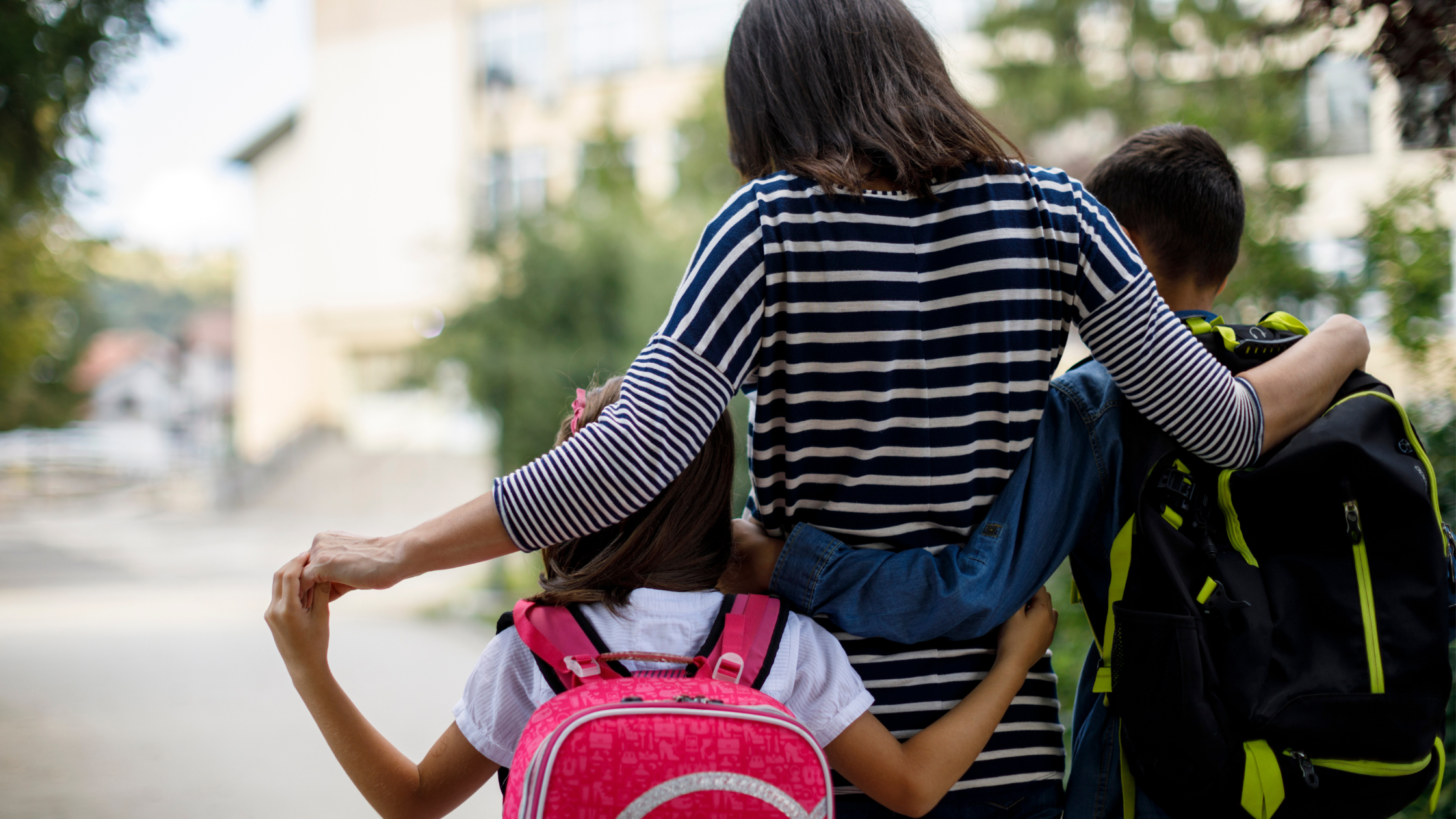

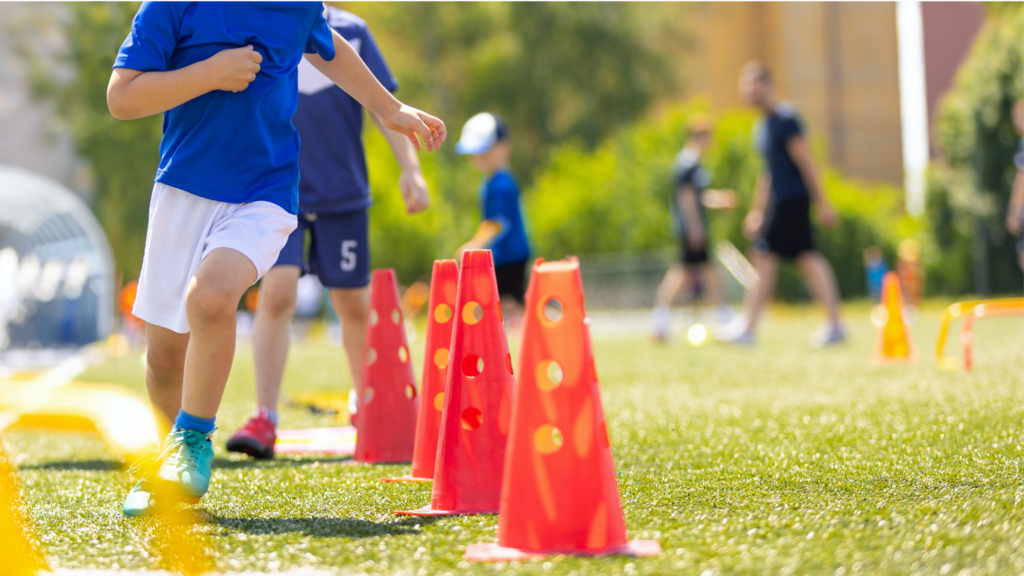
Each August brings a familiar ritual: kids gather their new backpacks, shoes, and schedules as they prepare for the year ahead. Yet, almost unnoticed, something essential slips away as summer fades: those hours of unstructured, daily movement that so naturally fill the long, sunlit days. The shift is subtle but profound; children who spent much of their summer in motion suddenly find themselves sitting for most of the day. As clinicians, you can often sense the ripple effects before anyone quite names the source: a child who grows restless by afternoon, a parent puzzled by sudden fatigue, or the quiet question of why focus seems to unravel as kids return to school.
This year, I’m keeping the latest research on this pattern close at hand not only as a conversation starter with parents, but as a gentle reminder to look for these shifts during back-to-school visits.
The evidence has also grown stronger and more nuanced than in years past.
For years, we relied on the broad reassurance that ‘exercise is good for developing brains.’ While that remains true, the latest literature offers a much more precise understanding both of the mechanisms involved and the amount that truly makes a difference.
A 2026 meta-analysis in Frontiers in Psychology, pooling randomized controlled trials through January 2026, found that physical activity interventions produced measurable improvements in children’s executive function, attention, and academic performance. Moderate-intensity activity sustained over time produced the largest gains, more so than short, high-intensity bursts (Feng et al., 2026). A companion narrative review reached a similar conclusion: regular activity supports executive function, working memory, and processing speed in school-aged kids, with effects that show up in classroom-relevant measures, not just lab tasks (Frontiers in Psychology, 2026).
The mechanism is becoming clearer, too. A 2025 systematic review in Frontiers in Public Health described how physical activity enhances synaptic connectivity and cerebral blood flow and increases BDNF (brain-derived neurotrophic factor) expression, supporting neurogenesis in the regions tied to learning and executive control (He et al., 2025). This is not just ‘movement helps mood.’ Movement changes the physiological substrate that attention and memory run on.
Timing matters, too. A systematic review of before-school physical activity programs involving over 2,300 children found consistent improvements in physical fitness and academic performance when activity was scheduled before the instructional day began. However, gains in attention and BMI were dose-dependent (Garin-Atorrasagasti et al., 2026). A well-designed cluster randomized clinical trial published in JAMA Pediatrics found that structured after-school physical activity programs improved academic performance in schoolchildren over a full intervention period (Wang et al., 2023), suggesting this is not a short-lived novelty effect from a single active break, but something that compounds.
Even brief interventions have a place: a 2026 study on structured ‘active breaks’ during the school day found they measurably improved on-task classroom concentration. Clinicians do not need to prescribe an hour of vigorous exercise to see a benefit; regular, shorter bouts count too (Li et al., 2026).
What this means at the point of care
For those of us in pediatrics and sports medicine, the back-to-school visit feels like a natural opportunity to elevate movement from a ‘nice to have’ to an essential part of the plan, particularly for children who spent their summers in near-constant motion.
A few things worth raising directly with families:
- It helps to ask about the real shape of a child’s day, not just their intentions. Rather than ‘Are they active most days?’ It may be more revealing to explore how time is divided between sitting in class, screens, and opportunities to move. Small changes like shorter recess or longer bus rides can quietly erode daily activity, and parents may not always see the link to afternoon restlessness or lapses in attention.
- Framing movement as a support for focus and learning, rather than simply as exercise, often resonates more deeply with families. This approach aligns with current evidence and helps parents see movement as a meaningful part of their child’s cognitive development.
- Consistency, I find, matters more than intensity. The literature increasingly supports the value of regular, moderate activities, so recommending a daily 20-30 minute window for movement is often more effective, and more sustainable, than suggesting the occasional intense burst.
- Pay special attention to children whose summer days were filled with outdoor, unstructured play rather than organized sports, as they often experience the most dramatic drop in activity once school resumes.
None of this replaces individualized clinical judgment, and physical activity isn’t a substitute for addressing a genuine attention or learning concern. But as a low-cost, well-evidenced piece of the back-to-school conversation, it deserves a place on the checklist right alongside vaccines and vision screenings.
References
Feng, Z., Zhao, Z., Chen, R., & Liu, Y. (2026). The impact of physical activity on academic performance in children and adolescents: a meta-analysis. Frontiers in Psychology, 17, 1836195.
He, Y., et al. (2025). Effects of school-based physical activity on academic achievement in children and adolescents: a systematic review and meta-analysis. Frontiers in Public Health, 13, 1651883.
Garin-Atorrasagasti, M., Rico-González, M., Becerra-Patiño, B. A., et al. (2026). Effects of before-school physical activity programs on preschool and school children: a systematic review. Frontiers in Public Health, 14, 1784551.
Li, Y., Liu, F., & Zhao, X. (2026). Study on the influence of school active break on children’s physical activity level and classroom on-task concentration. [Journal details per publisher].
Wang, D., et al. (2023). Effect of extracurricular after-school physical activities on academic performance of schoolchildren: a cluster randomized clinical trial. JAMA Pediatrics, 177(11), 1141–1148.